 ActionBoard.ai
All Things Distributed: Bangladesh
Field note: implementing the distribution patterns the doctor recommended
This is a field note from Bangladesh. For two years we applied the architecture patterns of Dr. Werner Vogels' All Things Distributed to a different kind of system: one that distributes work, skills and opportunity to young engineers.
One clear distribution requirement from the Youth
In July and August 2024, Bangladesh's students took to the streets. The movement began over quotas in government jobs, but the message underneath was about opportunity. Too many new graduates had nowhere to go.
The students' requirement was very clear: create new job opportunities.
On 8 August 2024 we set a different goal for our work in Bangladesh and made a pledge. All feature development work would go to new students, and 75% of all customization work would be done by new graduates. Then we used our own framework to deliver on it.
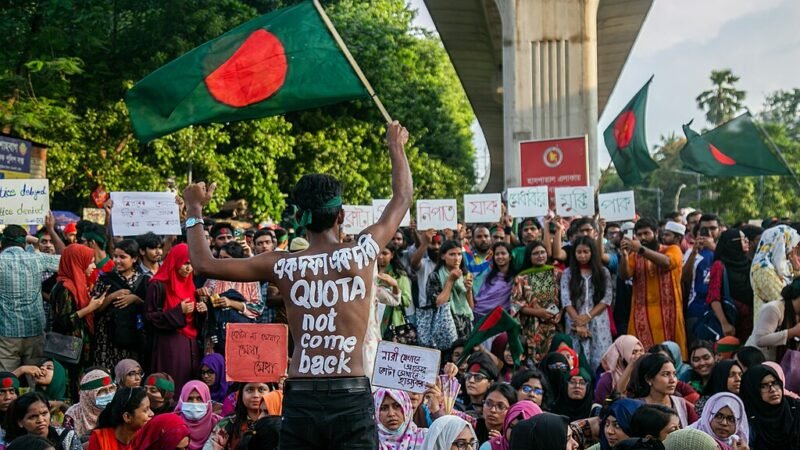
Students protest Bangladesh's government-jobs quota system, early July 2024. Photo by Rayhan9d via Wikimedia Commons, CC BY-SA 4.0, cropped, as published in Global Voices: Turmoil in Bangladesh.

How we built it: the RAOARA loop
We ran the whole effort through RAOARA, the same six-step loop ActionBoard runs on every mission.
Recognize. The goal was not "build an AI product". It was "build an AI solution that creates new jobs". Every later decision followed from that.
Acquire. We chose the stack the students would build on: AWS, Cloudflare, LangChain and LangGraph, Amazon Bedrock AgentCore, and model tuning on Amazon Bedrock. I built the automation knowledge base and the baseline code, so every team started from a working foundation.
Organize. We organized the students into communities of five developer and ML SMEs. Teams worked on a mission-driven pipeline, not a feature backlog, and every engineer worked full stack. This was the hardest part: I had to break every DevOps norm I knew to get the team focused on mission-based delivery.
Apply. The students did not stop at learning agentic patterns. They applied them, failed, and applied them again until the pipeline matured.
Reflect. Every mission ended with a report comparing the feature goals with the actual outcome. That review was documented every time, never skipped.
Amplify. This is the stage we are entering now.
Amplify: what two years built
In the last two years, our students and graduates built more than 150 AI agents, along with custom action models and solutions localized for Bangladeshi use cases.
Last month the platform reached 10,000 users. Now we move into the Amplify stage: compounding on the data and the solutions the teams have already built, so every new mission starts further ahead than the last.
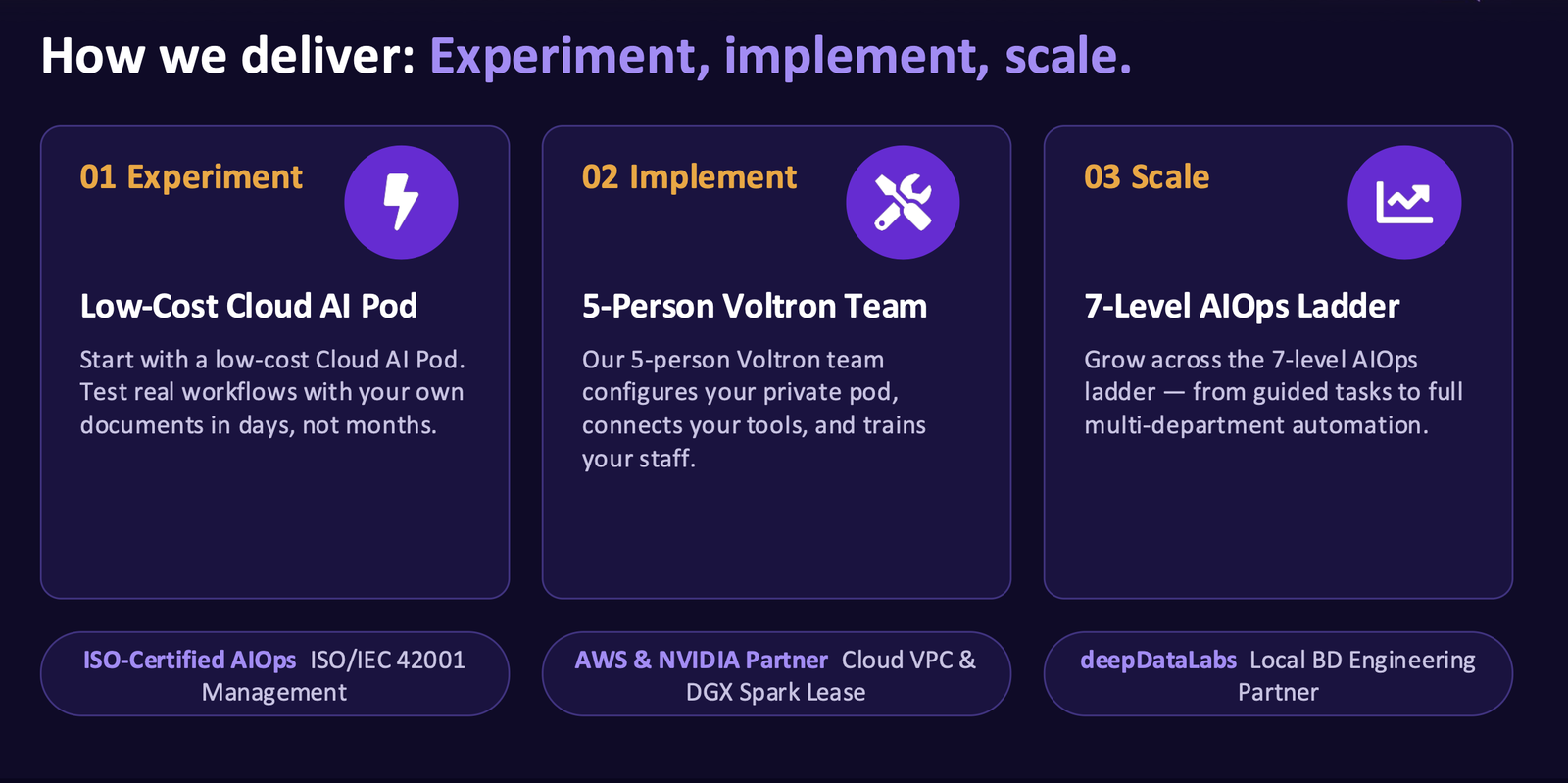
The outcome of a two-year investment
I did not build an AI platform, open-source it and call it a day. I did not chase GitHub stars. That was never the goal.
The outcome is what the students can now do: build their own solutions inside the harness, with work quality that can be audited.
Small teams, complete delivery. One five-person team of ActionBoard L2 and L3 developers can deliver an end-to-end AIOps solution for a business in 6 to 12 weeks, with bank-grade security and enterprise-grade infrastructure automation at delivery.
Confidence. An AIOps-mature developer is not scared to take on a full feature mission alone.
Their own tools. We taught each developer to build local automation agents that optimize token usage and assess long-term risk.
Audited work, assured pay. Agentic work is audited, so the customer can trust the quality and the developer can trust the payout.
More projects, more income. ActionBoard scaled what one developer can deliver. AIOps-mature developers can take on multiple projects and grow their earnings.
We know of no other AI platform in Bangladesh designed this way.
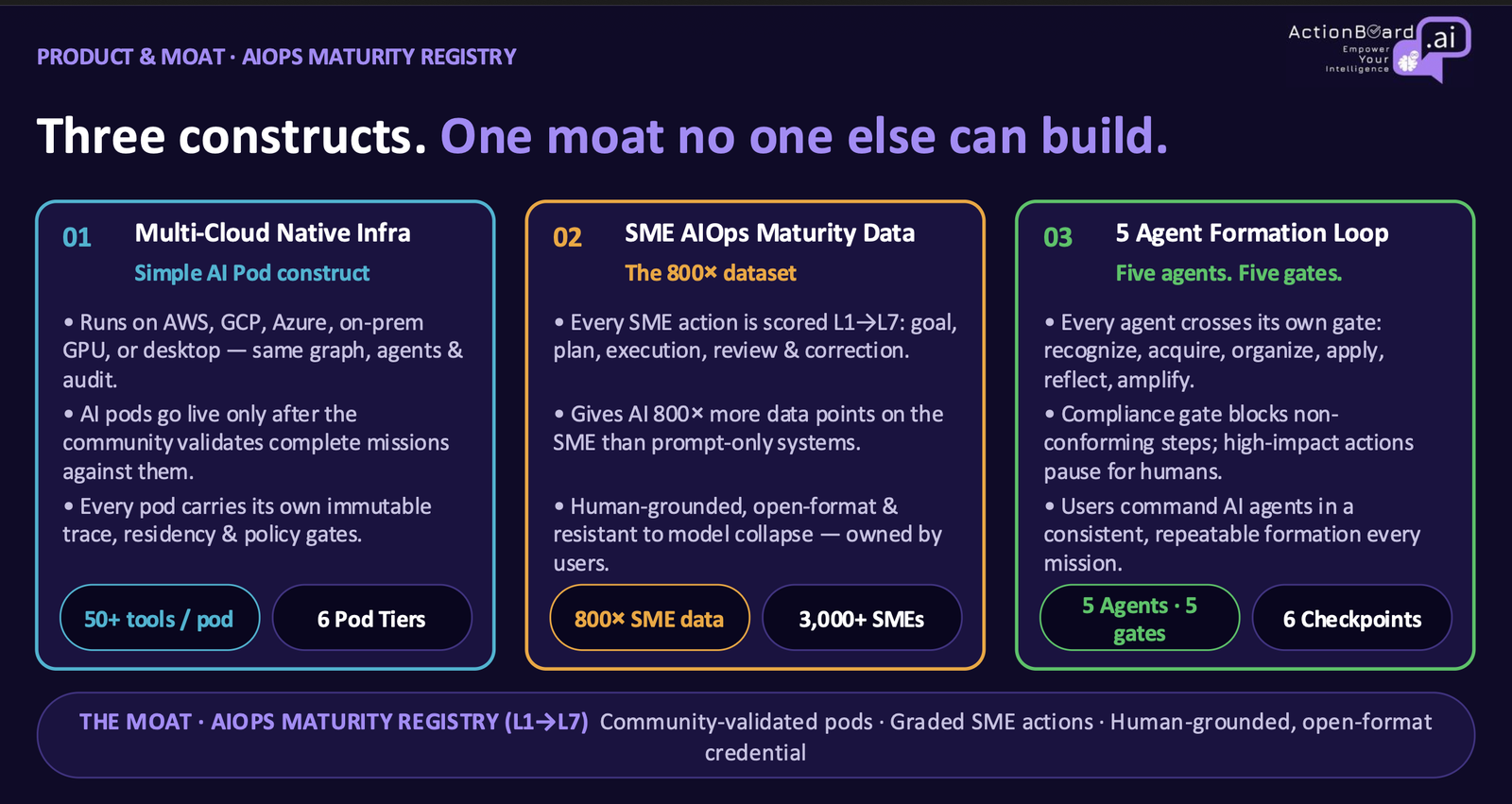
Key break point: dissolving the upper limit
One reason for failing to reach a goal showed up more than any other: making assumptions about the upper limit.
Almost every user sets a goal as if they know how far they can go. They do not know their own upper limit, and neither do the LLMs. So the goals they state do not fully compound on the data assets they already own. Even experienced business leaders find it hard to set a compounding vision for their company when years of knowledge sit scattered and unorganized.
Take CSL. We discovered more than 6,000 tender documents, implementation details and other unstructured content, and mapped all of it into a wiki. We simply organized their data assets. Within 30 days, their compounding vision for action was much clearer.
We can do this in the most meaningful way for one reason: we forget that there is an upper limit. We believe we come from an unlimited God, and nothing is impossible for Him. We are in no position to measure the growth Allah has planned for us.
So we ask the person setting the goal to stay open to discovery. AI now lets a goal cycle compound on years of accumulated knowledge, and that knowledge is the most valuable asset a person or a business has.
Our AI maturity process does more than reduce cost. It lets people see where and how they are building their happy place: a place where they no longer carry the burden of hunting for the next opportunity, and can focus on choosing a goal and delivering it with assurance.
Community AIOps: university students can build AI skills now
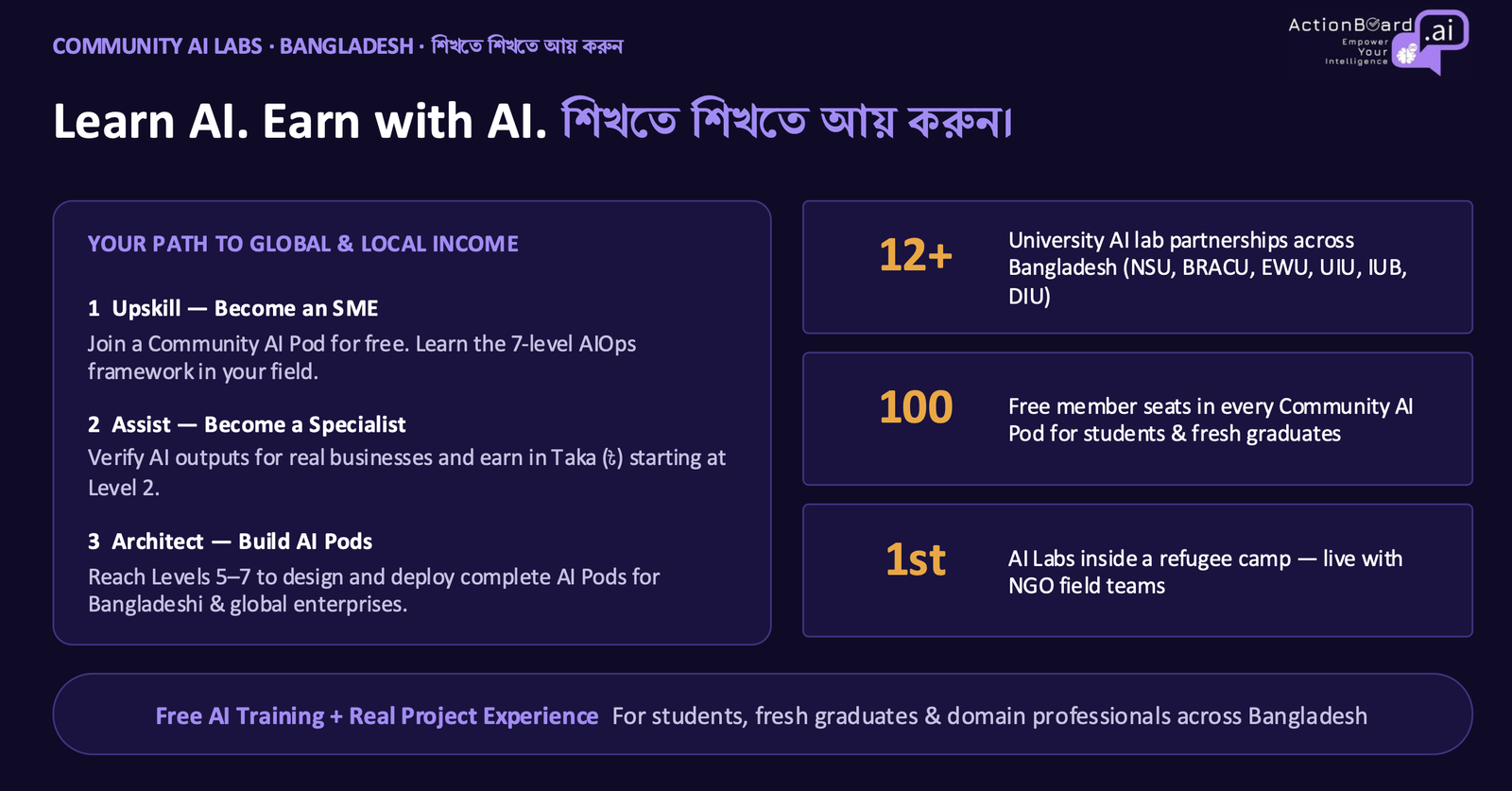
You do not need to wait for a job to start. Every Community AI Pod has 100 free seats for students and fresh graduates, and we run AI labs with 12+ university partners across Bangladesh.
The path has three steps:
Upskill. Join a Community AI Pod for free and learn the 7-level AIOps framework in your own field.
Assist. Review and verify AI outputs for real businesses as an Action Assist Specialist. Paid work starts at Level 2.
Architect. At Levels 5 to 7, design and deploy complete AI pods for Bangladeshi and global enterprises, with a share of the deployment revenue.
We call it শিখতে শিখতে আয় করুন: earn while you learn.
Students are also learning to build their own AI agents and deploy them to AWS Marketplace. An agent built in a university lab in Dhaka can be listed where enterprises around the world buy software, so a student's work can reach global customers, not only local ones.
Paid by maturity, not by hours
On ActionBoard, pay follows your AIOps maturity level. Every action an SME takes is scored from L1 to L7: the goal, the plan, the execution, the review and the correction. That score is a graded, portable credential, and it is checked before work is routed to you.
| Level | Role | Estimated monthly earnings (BDT) |
|---|---|---|
| L1 | AI Action Apprentice | Learning only, free access |
| L2 | AI Action Practitioner | ৳25,000 – 50,000 |
| L3 | AI Action Specialist | ৳50,000 – 90,000 |
| L4 | AI Action Lead | ৳1,00,000 – 1,80,000 |
| L5 | AI Action Architect | ৳2,00,000 – 3,50,000 |
| L6 | AI Action Visionary | ৳4,00,000 – 6,50,000 |
| L7 | Chief AutoAction Officer | ৳7,50,000+ |
These are estimates based on mission volume and validated tasks; actual earnings vary. Payouts for validated missions go to the SME's ActionBoard wallet.
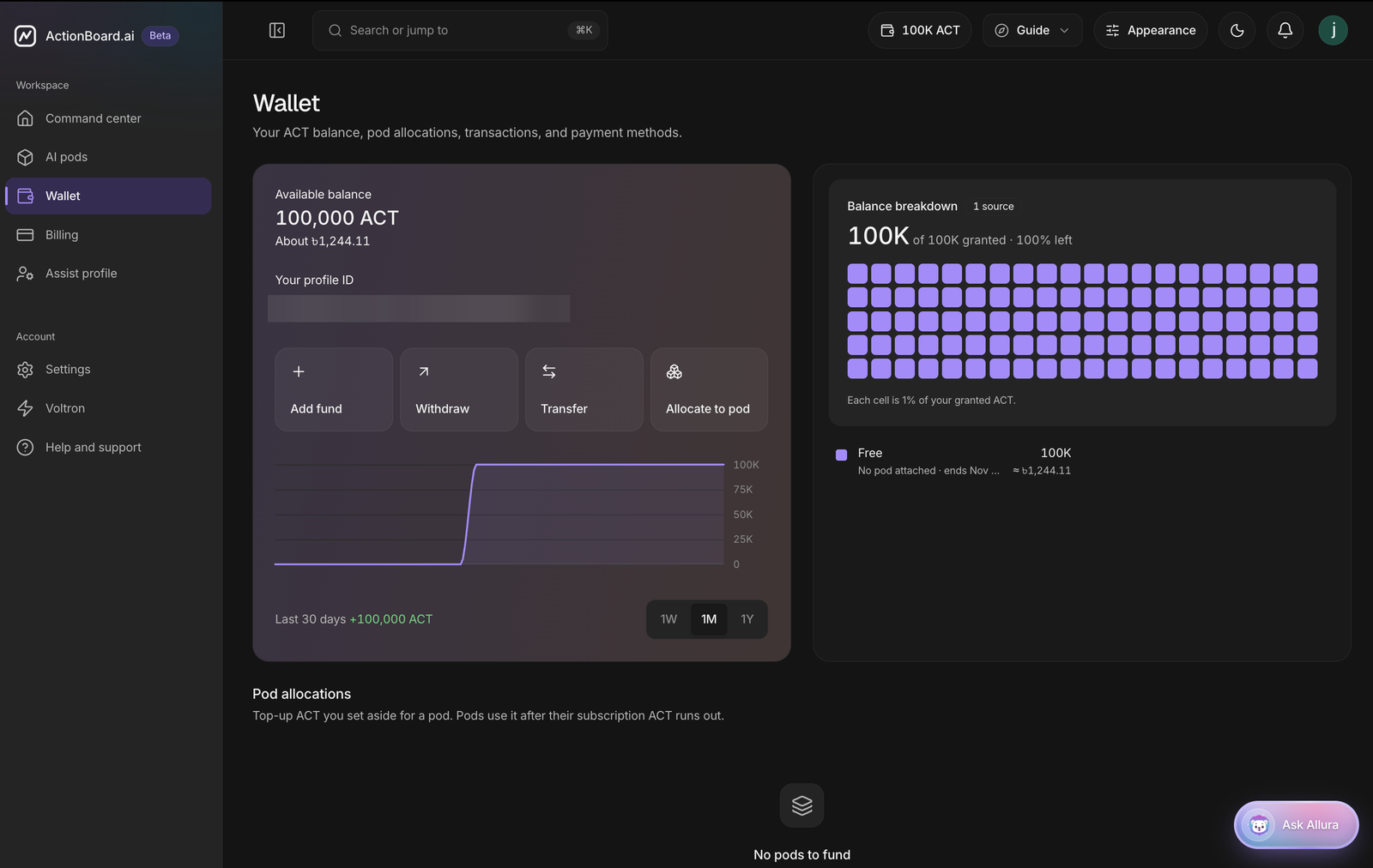
The ActionBoard wallet. The balance is held in ACT and shown with its value in Taka.
How the wallet works. Every SME has an ActionBoard wallet. From it they can add funds, withdraw, transfer to another profile, or allocate credit to a pod. The wallet integrates with a bKash merchant account and SSL, so earnings can move through the payment channels people in Bangladesh already use.
Hosted in Dhaka. The labs endpoints run from our Dhaka colocation through mcp.com.bd, so pods, payments and data stay in the country.
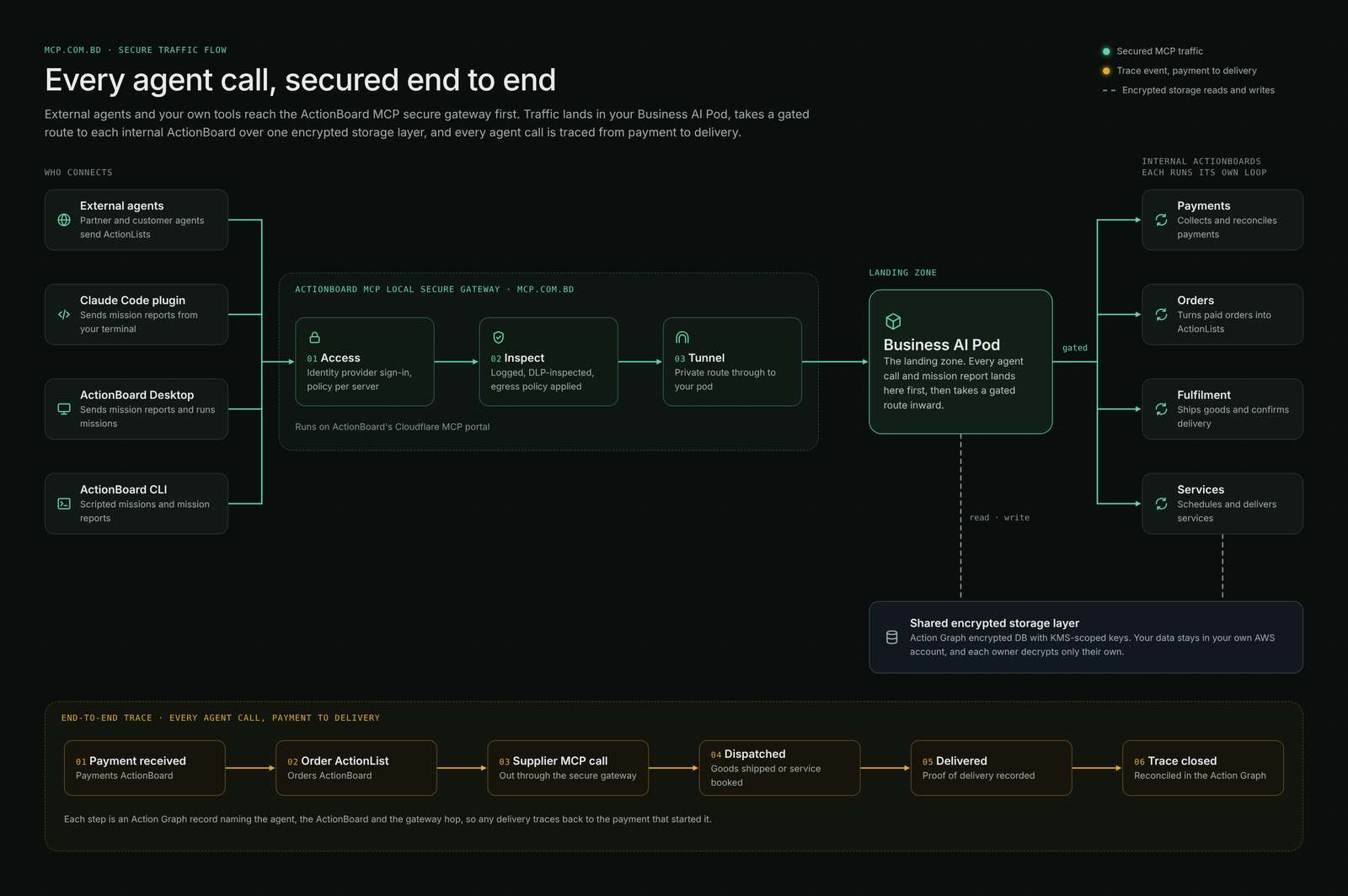
A mission plan example
Here is the kind of mission a five-person student team takes on. A business runs a monolithic database application that costs too much every month. The mission: move it to a cloud-native stack on AWS and cut that cost.
Mission goal: migrate the monolithic database app to AWS cloud-native storage and a serverless database, with no loss of data and a lower monthly bill.
Recognize. Agree the goal and the success measures with the business: current monthly cost, target cost, and the cutover date.
Acquire. Inventory the existing schema, data volumes, queries and third-party data feeds.
Organize. Break the work into an ActionList: storage migration, serverless database setup, data validation, cutover and rollback.
Apply. Move the data to AWS cloud-native storage and the serverless database. Action agents then run the routine operations, and a Snowflake Cortex agent queries the third-party data in place, so it no longer has to be copied and stored.
Reflect. Compare cost, query speed and data accuracy before and after. A named person signs off the cutover, and every step is in the audit trail.
Amplify. Publish the migration as a reusable pattern, so the next team starts from a tested plan.
The business gets a lower bill and an auditable migration. The students get a completed mission on their maturity profile.
A second example: the plan comes before the work
Not every mission is a build. For a leading motorcycle distributor in Bangladesh, the mission was market research on commuter motorcycles and electric two-wheelers. Before any research ran, the agent formation produced a full plan in six steps:
Mission brief. Objective, scope, what is out of scope, and seven measurable success criteria.
Recon. A quick sweep of which sources exist, how current they are, and where the data is thin.
Assignments. Each agent gets its tasks and owns its own output files, so no two agents edit the same file.
Skills gap. Every capability the mission needs is checked against the skills the agents already have.
Risk register. Each risk gets a severity and a mitigation. The top risk was fabricated or misread statistics, so "not found" is an accepted answer.
Go / no-go gate. Nothing runs until a person approves the plan.
Recon changed the plan before a single task was assigned. And the work is only delivered after a quality audit traces every number back to its source. This is the discipline our student engineers learn: plan, check, get approval, then execute.
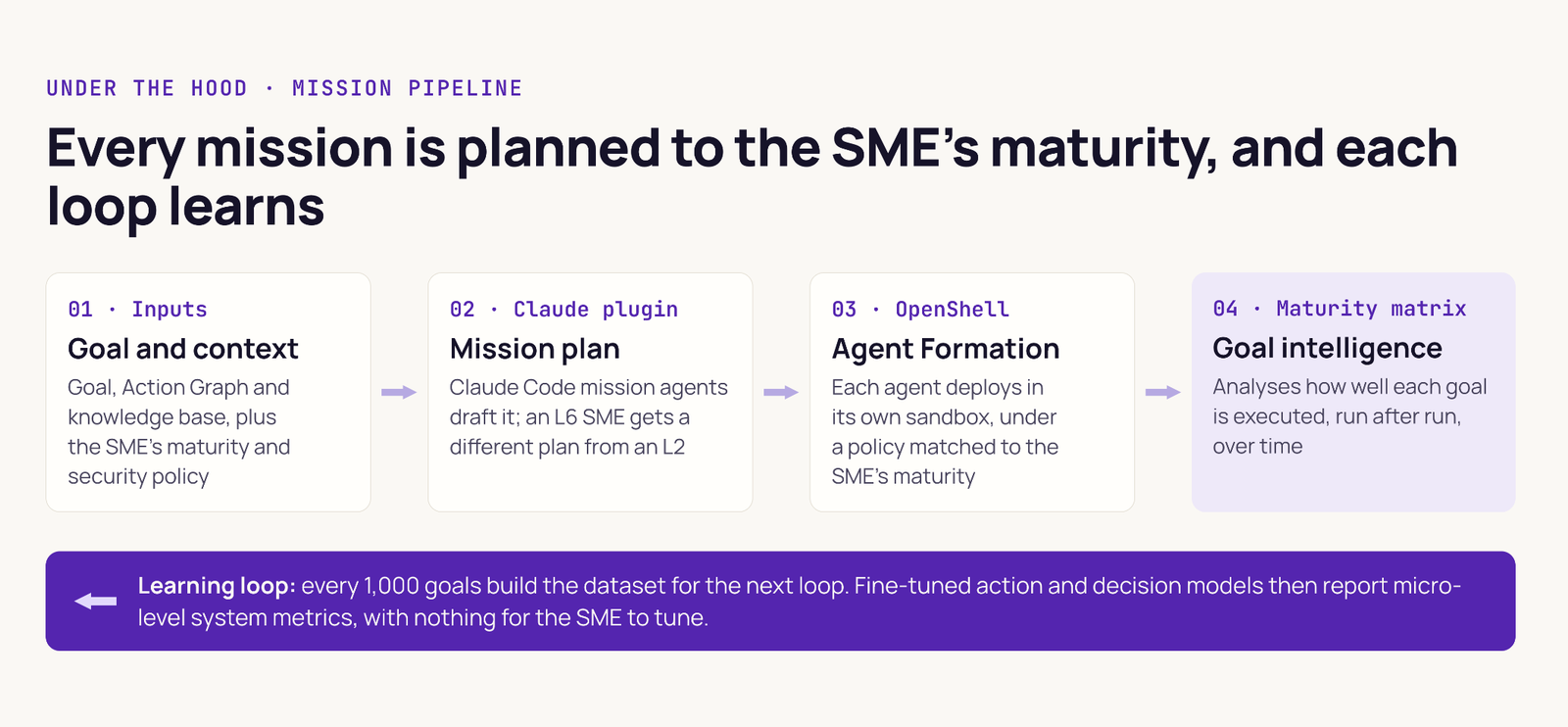
What is live on ActionBoard today
This is the platform the students built and now work on:
RAOARA loop: six phases on every mission, from Recognize to Amplify.
Five-agent formation: five agents with separate roles, a compliance gate that blocks non-conforming steps, and a named human approving every high-impact action.
Action Graph: an encrypted memory and audit trail that records every action.
150+ tool integrations: connect ERP, CRM, email and databases through MCP.
Multi-model routing: frontier models plus fine-tuned local models.
One suite, cloud to edge: Cloud AI Pods, Desktop Pods, a mobile app for iOS and Android, an offline edge app, AI Lab Builder and a Aiops Command Center.
Hosted in Bangladesh: in-country deployment through mcp.com.bd, so data stays in the country. - Private preview
AIOps Maturity Registry: the L1 to L7 profile every SME builds as they work.
Our ask to Bangladesh's enterprises
When an enterprise customer in Bangladesh joins ActionBoard, we ask for a pledge: give 50% of all your AI engineering work to AIOps-mature SMEs, and help scale the country's AI engineering talent.
We also ask for one more step. Sponsor a Community AI Pod for students and new graduates. If every Bangladeshi enterprise sponsors one pod, the effect compounds: more trained engineers, more delivered solutions, more jobs. That is how AI can help solve unemployment instead of adding to it.
Start with a free 3-day Discovery Workshop
Schedule a free AIOps Discovery and Maturity Assessment workshop with DeepDataLabs based in Dhaka. Over three hands-on days, you will discover your current AI use-case patterns, your employees' AIOps maturity levels, and the AI tools they already use.
Schedule your free workshop: email engage@actionboard.ai.
What comes next: your own AI SME profile
Anyone can now start a free AI SME profile on ActionBoard and build their own AI Pro pod: a place to build AI solutions and tools, and to show them to the people who hire.
When a business needs an AIOps solution that is fully auditable and ISO-certified, these AI SME engineers set up and deploy custom AI pods for that business. Students learn by building, and what they build becomes their work.
Re:Invent 2026 : Build and US Launch
The CloudsCockpit AWS Marketplace build and test event. Last year I met with the AWS Marketplace team and walked them through our marketplace action agent pipeline. This year at re:Invent we take the next step: we will test publishing student-built Action Agents to AWS Marketplace.
This will allow every new graduate to publish their solution in a globally distributed marketplace. A student builds an agent in a lab in Dhaka, and an enterprise anywhere in the world can buy it.
This will be our full-cycle Amplify.
The pattern that worked in Bangladesh can work anywhere new graduates need a way in. We are now scaling it to universities in the US and Canada, starting with the Kelley School of Business at Indiana University Bloomington.
The underlying goal stays the same: create more jobs for new graduates.
The ActionBoard.ai waitlist for the US is now open at actionboard.ai, and we will announce the US launch at AWS re:Invent.
Congratulations to the team
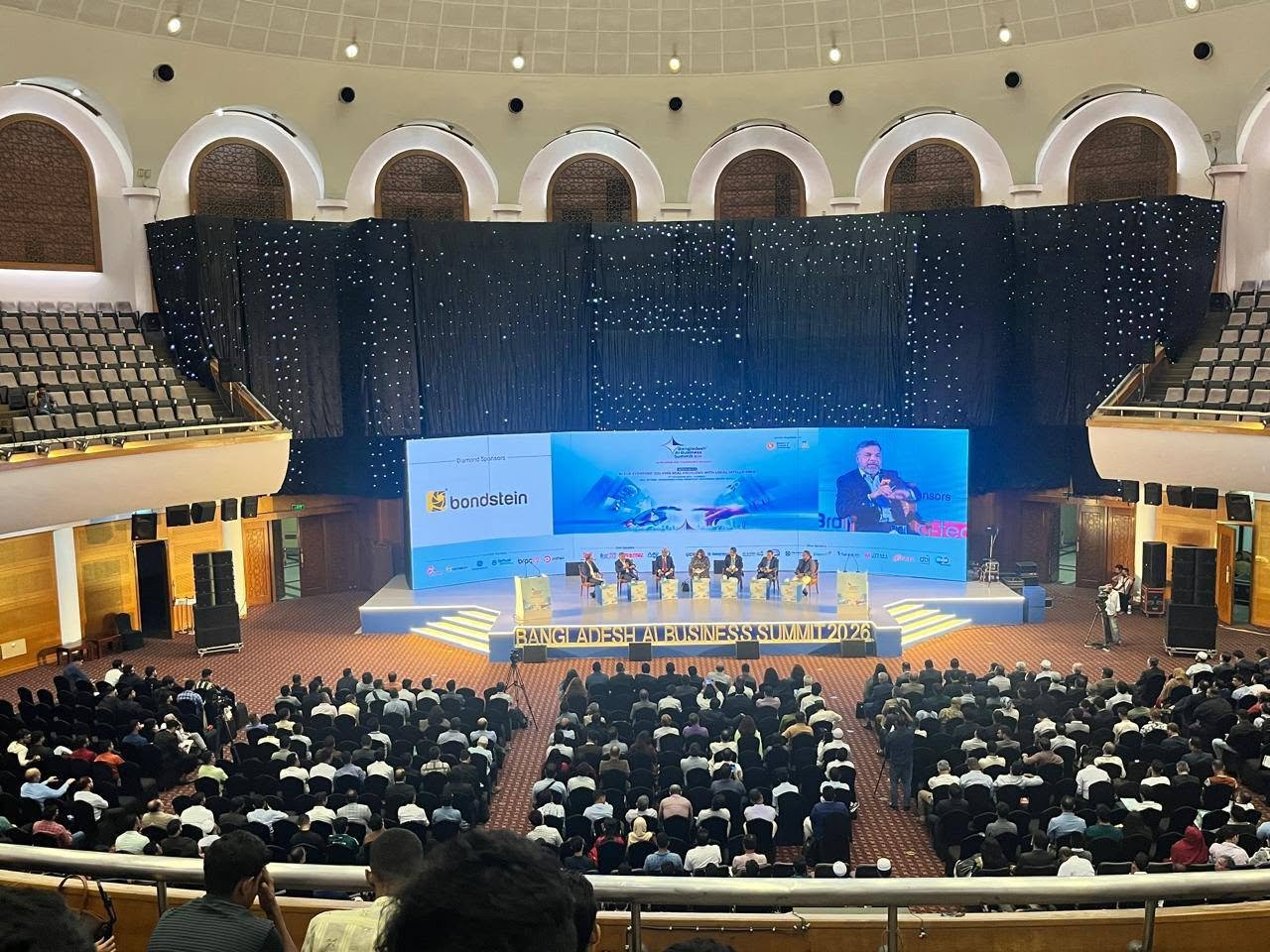
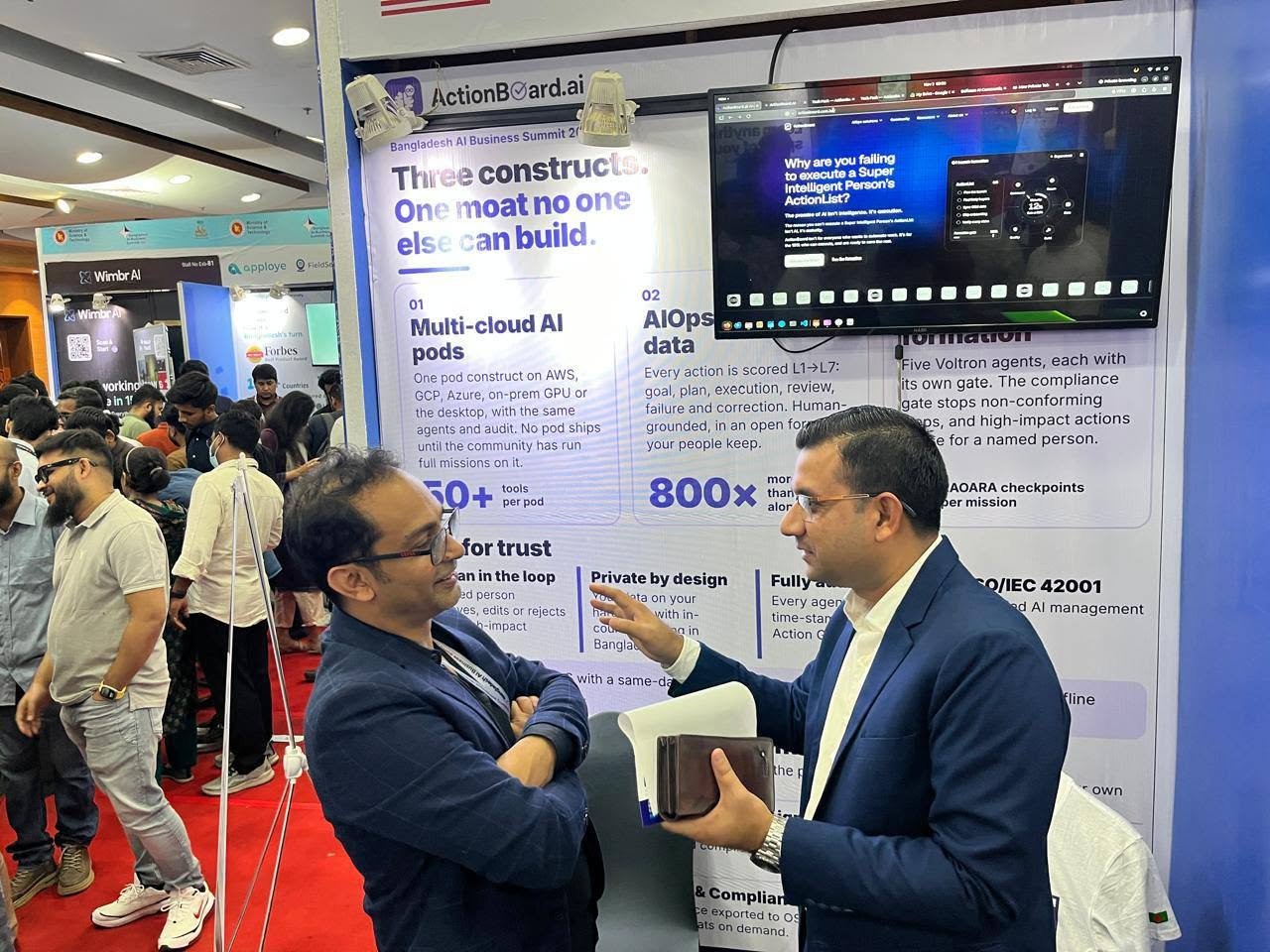
This month we showed ActionBoard.ai at Booth 75 of the Bangladesh AI Business Summit in Dhaka. The platform we showed was built with Bangladeshi students and new graduates.
Congratulations to every member of our Bangladesh DeepDatalabs student AI engineering team. You trained with CloudsCockpit.io in AIOps-maturity-based development. You learned to build real AI solutions with ActionBoard's agent formation and maturity-gate pipeline. And you shipped them. Thanks to the AWS Startup, LangChain, Snowflake DB and Claude Ai engineering teams for all technical support.
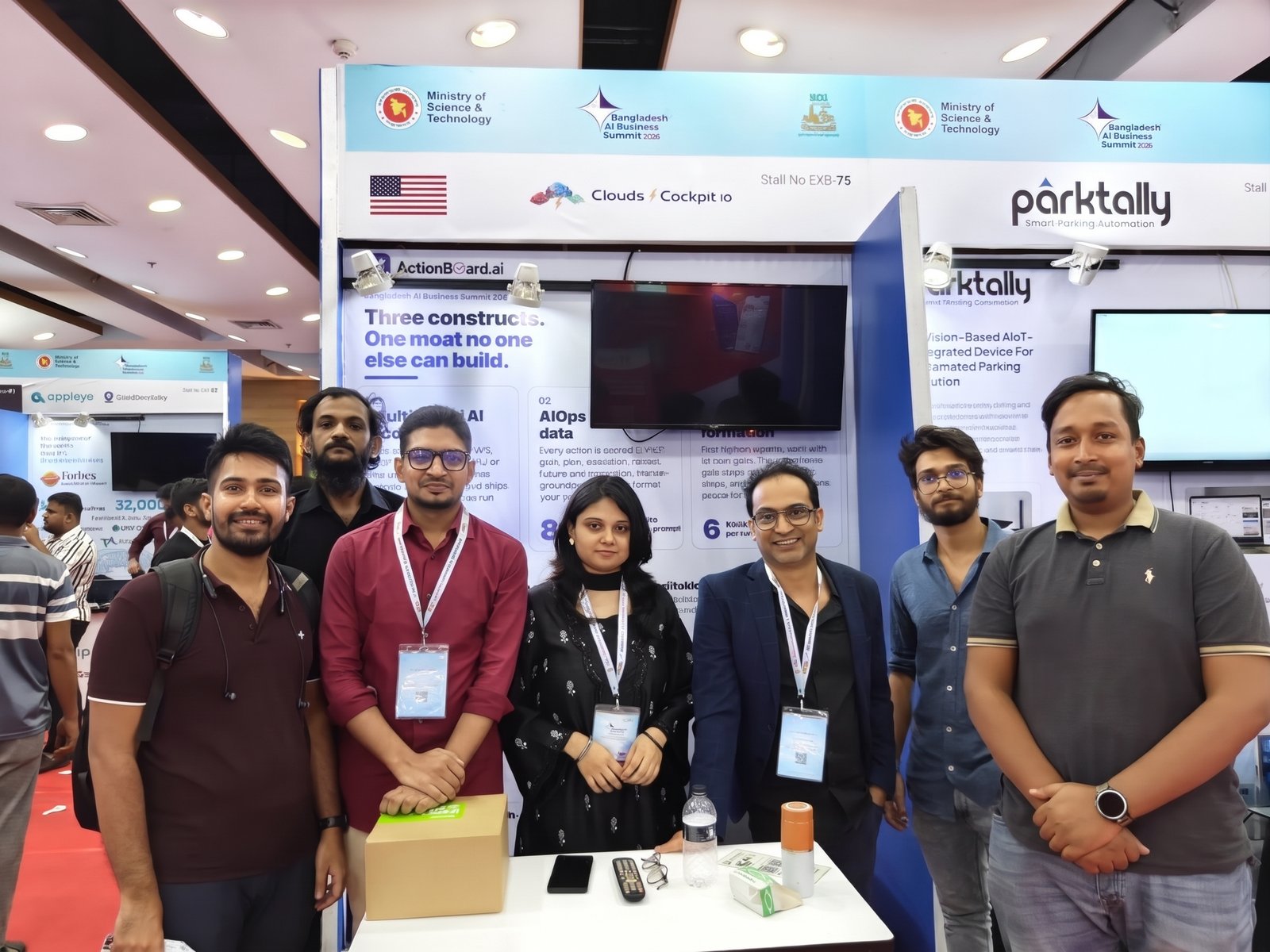
To the team: you did this. Thank you.
Start your free AI SME profile at actionboard.com.bd.
Source: Lack of job growth for Bangladesh's youth fuels campus protests, Context (Thomson Reuters Foundation), 18 July 2024.